Half-Watching Is the New Watching: Inside America's Split-Screen Habit
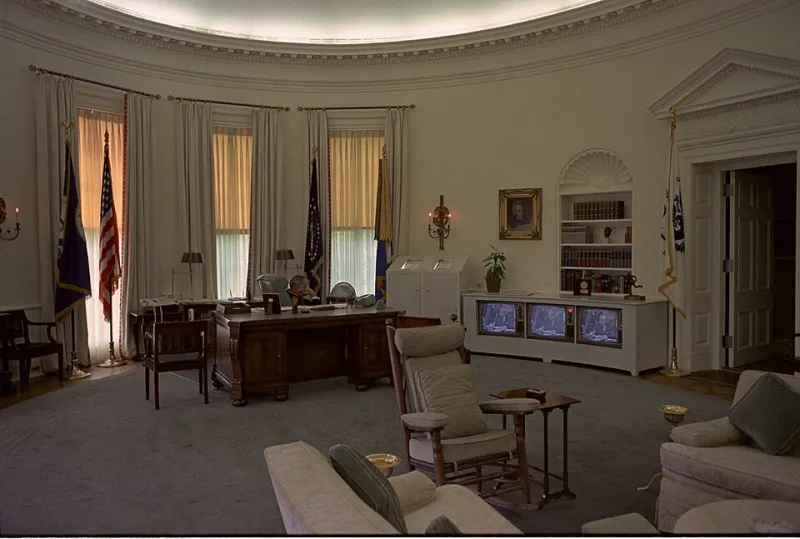
Photo: Yoichi Okamoto, Public domain, via Wikimedia Commons
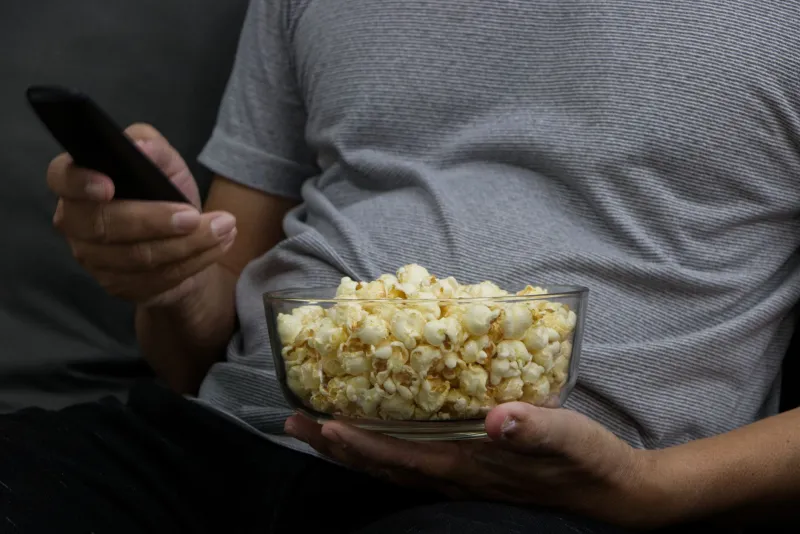
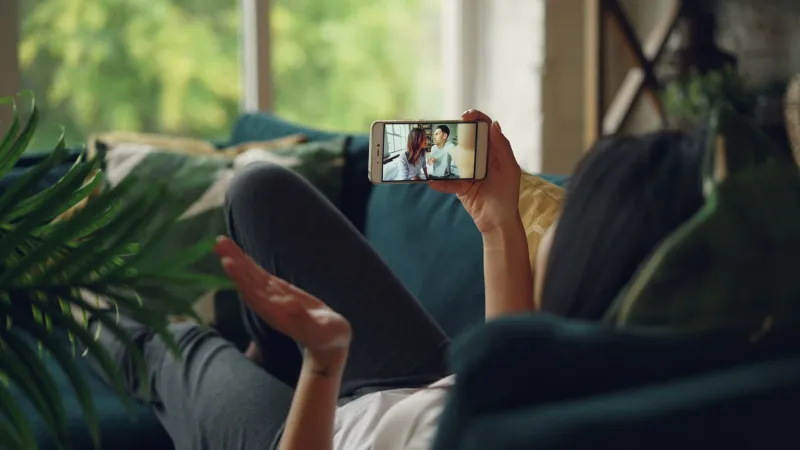
Here's a fun party trick: next time you're at a friend's place for a watch party, count how many people are actually looking at the TV when the show is on. Odds are, you'll spot at least a few faces lit up blue from below — the telltale glow of a phone. Nobody's being rude. This is just how Americans watch television now.
The Numbers Don't Lie (But They Do Sting)
Industry surveys have been quietly flagging this for years, and the trend line only points one direction. Depending on which report you pull up, somewhere between 60 and 85 percent of TV viewers admit to using a second screen — phone, tablet, laptop — while content plays. A meaningful chunk of those say they do it 'most of the time.'
Think about what that means for the $70-plus billion a year that advertisers pour into television. They're paying premium rates for eyeballs that are, at best, glancing up between TikToks. One media research firm estimated that 'active attention' to TV ads has dropped by double digits over the past decade. The ad isn't just being skipped — it's being ignored in favor of a group chat.
Why We Can't Look Away (From Our Phones)
Blame it on the dopamine loop, sure, but the second-screen habit is also just... practical. Sports fans check fantasy stats mid-game. Reality TV viewers live-tweet plot twists. Movie nights double as IMDb deep dives ('Wait, where have I seen that guy before?').
The phone has become the companion to the content — a place to react, research, and rank. In a weird way, the second screen makes TV feel social again, even when you're alone on your couch in Ohio at 11 p.m. The group chat is the new water cooler.
Advertisers Are Officially Panicking
For decades, the whole TV ad model rested on a simple assumption: if the screen is on, the message lands. Second-screen behavior blew that up. Now networks are experimenting with everything from shoppable ads that sync to your phone, to QR codes that turn your device into a conversion tool, to 'second-screen-native' ad formats designed to be seen on the phone itself.
The savviest marketers have stopped fighting the split attention and started designing for it. If viewers are going to glance down anyway, the thinking goes, give them something worth glancing at.
Entertainment Platforms Are Redesigning for Half-Watchers
Here's where it gets interesting. Streaming platforms have noticed, and their product decisions show it:
- Recaps everywhere. Ever wonder why every show now opens with a 'previously on' segment or offers an in-app episode recap? It's built for viewers who missed chunks of the plot while scrolling.
- Audio-forward design. Podcast-style 'watch' modes and enhanced dialogue options acknowledge that for some viewers, TV is basically radio with a screensaver.
- Second-screen sync. Sports apps, watch parties, and companion content are all attempts to meet viewers where they already are — on the phone.
Even reality TV formats have adapted. Shows are edited with the assumption that attention drifts. Big moments get repeated. Dialogue gets announced, not implied. Half-watching isn't a bug in the system anymore; it's a design constraint.
So What Happens to the TV?
Nobody's unplugging the big screen. Television still commands the room — literally. It's the ambient hearth of the American living room, the thing that's 'on' whether anyone's looking or not. But its role has quietly shifted from primary attention magnet to shared backdrop, a stage for the household while individual attention lives on smaller, personal screens.
The irony is thick: we spent 70 years building the most immersive visual medium in history, and now we mostly listen to it sideways while arguing in a group chat about whether that actor was in that thing. The TV didn't lose. It just got promoted to background music for our phones.
And honestly? If the industry keeps adapting — recaps, sync features, ads that follow you across screens — maybe that's fine. The future of entertainment might not be one screen at all. It might be all of them at once, each doing a different job.
Half-watching is the new watching. The couch never stood a chance.