Talking to Your TV: The Strange Death of the American Remote Control
Photo: Mister rf, CC BY-SA 4.0, via Wikimedia Commons
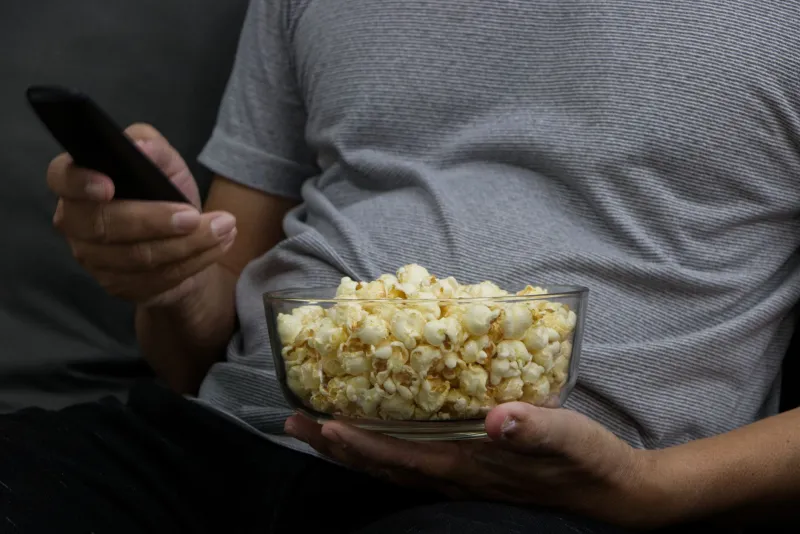
Look down between your couch cushions right now. There's a decent chance you'll find a remote control down there, crusted in popcorn dust, with dead batteries and a sticky Netflix button nobody remembers pressing. That remote — the one that once ruled the household — is quietly becoming an artifact.
Nobody held a ceremony. There was no viral tribute thread. The remote control, the undisputed scepter of the American living room for seventy years, just kind of... faded. And the way it died says a lot about how our relationship with entertainment has changed.
When the Remote Was Power
For decades, the remote wasn't just a tool. It was authority. Whoever held it decided what the room watched, and that made it the most contested object in the house. Siblings negotiated for it. Parents weaponized it. Dads fell asleep with it on their chest like a royal medallion.
There was something almost democratic about the thing. Channel surfing was a physical, deliberate act — thumb on the buttons, flipping through what felt like infinite options, landing on something by instinct. You didn't always find the perfect show. Sometimes you found something weird at 1 a.m. on TNT and it changed your taste forever.
That friction, it turns out, was a feature. Choosing what to watch was a small decision you made with your body. Now it's a negotiation with a microphone.
"Alexa, Play Something"
Today the typical living room runs on voice assistants, smartphone companion apps, and interfaces that start playing before you've finished deciding. Say "play something good" and an algorithm happily picks for you. Open your TV and a trailer auto-plays whether you asked or not. The act of choosing has been outsourced.
It's convenient, sure. Nobody misses hunting for a lost remote at 11 p.m. But something got lost in the handoff. When picking a show becomes a conversation with a device, the choice stops feeling like yours. The remote forced you to commit — you pressed a button, you lived with it. The algorithm just keeps the carousel spinning, and twenty minutes later you're still scrolling, watching nothing, slightly annoyed.
There's also the privacy angle that nobody loves talking about at parties: that always-listening voice remote in your living room is, functionally, a microphone you've agreed to keep around. Plenty of Americans are fine with it. A growing number aren't.
The Quiet Comeback of the Clunky Remote
Here's the twist: the remote isn't dying so much as going underground. Third-party sellers on Amazon and Etsy report steady demand for big-button universal remotes, retro-style clickers, and old-school IR wands that work with modern setups. Some buyers are older folks who never wanted to talk to their television. Others are twenty-somethings chasing a vibe — a tactile, screen-free way to run a setup they otherwise control entirely by voice.
There's even a small movement among home-theater hobbyists who keep a "dumb" remote specifically to avoid speaking aloud to their TV, the same way some people keep a dumb phone for weekends. The physical clicker has become a minor act of resistance — a way to keep the choosing human.
What We Gave Up
It's worth naming what actually changed. The remote made watching active. You scanned, you sampled, you committed. The new model makes watching ambient — content simply flows at you, and your job is to interrupt it or let it ride. That shift sounds small. It reshapes how shows get made, how they're marketed, and how long anything holds our attention.
The remote also gave the living room a shared ritual. One object, one holder, one decision everyone lived with. Now everyone in the house watches their own screen with their own feed, and the family decision — flawed, negotiated, occasionally bonding — has mostly evaporated.
So no, nobody threw the remote a funeral. But maybe they should have. It was the last piece of hardware that made watching TV feel like something you did, rather than something that happens to you. And judging by the clickers quietly selling on the internet, a fair number of Americans are starting to miss the funeral they never got to attend.