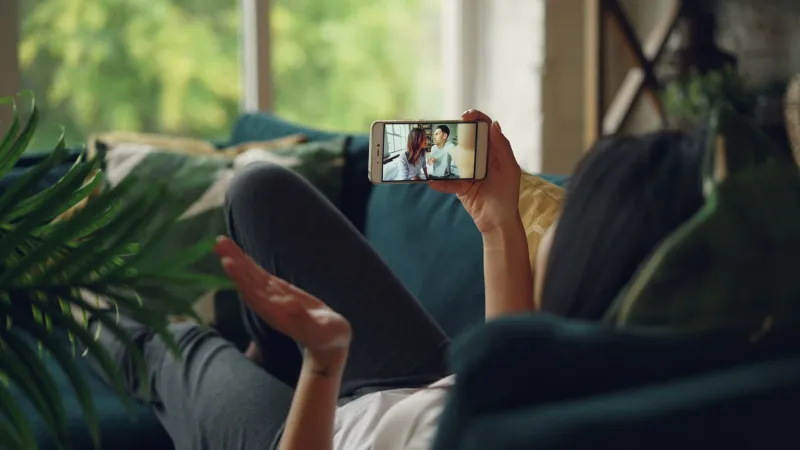
Half the Audience Isn't Even Looking at the TV Anymore — And Networks Know It
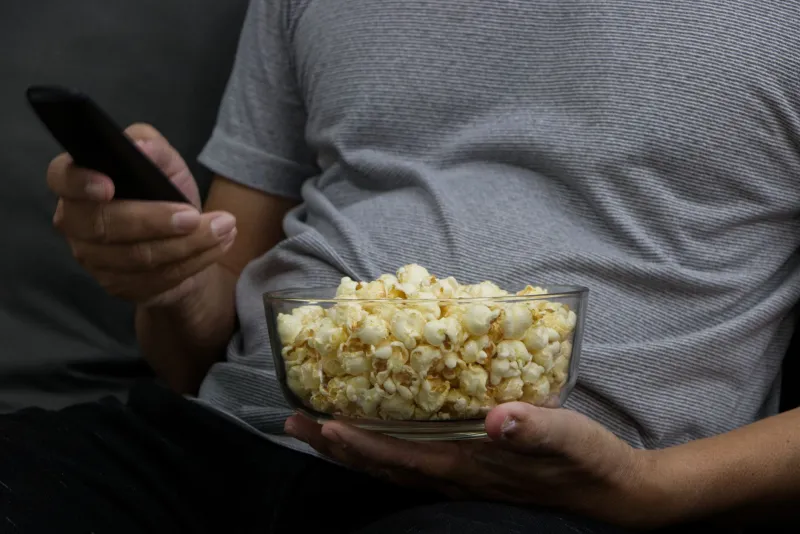
Be honest with yourself for a second. When's the last time you watched an entire episode of anything without picking up your phone? Not during a commercial break. Not during the slow parts. The whole thing, start to finish, eyes on the screen and nothing else.
If you're like most Americans, you can't remember. And the television industry noticed a long time ago.
The Phone Won, And TV Made Peace With It
For about a decade, networks treated the smartphone like a home invader. Focus groups were commissioned. Panic panels were convened at industry conferences. Executives wrung their hands over 'distracted viewing' the way their predecessors once fretted about VHS taping.
Then somewhere around the mid-2010s, the panic flipped. If you can't beat the phone, the thinking went, build the show around it.
That's exactly what happened. Today, writers' rooms, marketing departments, and streaming platforms all design content with the assumption that a meaningful chunk of the audience is holding a second device while the first one plays. The question stopped being 'how do we win back their attention?' and became 'how do we earn a piece of it?'
Designing for the Scroll
The most visible artifact of this shift is what industry folks bluntly call the tweetable moment — that perfectly framed, perfectly captioned line of dialogue engineered to be clipped, posted, and passed around within seconds of airing.
You've felt it without naming it. The dramatic one-liner delivered straight to camera. The plot twist timed to land at the top of the hour. The outfit reveal that looks suspiciously like a still frame even while it's moving. None of that is accidental. It's the narrative equivalent of a billboard placed on your commute.
Marketing teams now storyboard these moments before scripts are even finished. A season isn't just written; it's packaged into a highlight reel that exists to travel through group chats, TikTok edits, and quote-tweets. If a show generates no second-screen conversation, that's treated internally like a ratings problem — because functionally, it is one.
Reddit Is the New Water Cooler
Here's where it gets more interesting than mere cynicism. The second screen hasn't just fragmented attention — it's rebuilt the communal experience of television in a stranger, messier, arguably richer form.
The old water cooler moment happened the morning after, at work, with coworkers. Now it happens in real time: episode discussion threads filling up as credits roll, fan theories getting drafted mid-scene, frame-by-frame forensic breakdowns of a two-second background detail posted before the hour is out.
Some creators have leaned all the way in. Shows are deliberately seeded with puzzles, hidden callbacks, and ambiguous details that only make sense as a collective research project. The audience isn't just watching anymore — it's crowd-solving. A season finale isn't complete when it airs; it's complete when the internet has finished dissecting it.
That's a genuinely new form of storytelling, and honestly, it's kind of thrilling. It's also exhausting, but more on that in a minute.
What Gets Lost When Eyes Wander
The trade-off is real, though. Craft that depends on patience — a slow burn, a long silence, a scene that means nothing until five episodes later — struggles in an environment where a quiet stretch is an invitation to check fantasy scores or doomscroll.
Showrunners feel the squeeze. Make something demanding and risk the audience drifting off mid-episode, with the algorithm recording their disengagement. Make something frictionless and watch it vanish from the conversation by Thursday. The middle ground — shows that reward attention without demanding it constantly — keeps getting narrower.
There's also the question of whether a 'shared moment' counts as shared when half the participants are experiencing it secondhand, through someone else's reaction clip. Watching the Super Bowl halftime show is one thing; watching forty reaction videos to it is something adjacent but not identical. Whether that counts as culture or the receipt for culture is an open debate worth having.
So Is This Bad?
The comfortable answer is 'it's complicated,' but the more honest one is that it's mostly a wash — with real winners and losers.
The winners: audiences who get richer communal experiences, shows built for discussion, and creators who've learned to write in a new key. The losers: quiet storytelling, patient viewers, and anyone nostalgic for the idea that a television program deserves your undivided attention for forty minutes.
The second screen isn't going anywhere. It's not a habit to be broken; it's just how watching works now, the same way radio once filled kitchens and drive-ins turned cars into theaters. Every generation reinvents what 'watching' means.
The only real question is whether the next great American show gets written for the screen in your hand — or the one across the room. Right now, the smart money says both.
And if you read this article while half-watching something else? Well. You're the demographic.