The Invisible Tastemakers: How Recommendation Algorithms Decide What America Watches, Listens To, and Talks About
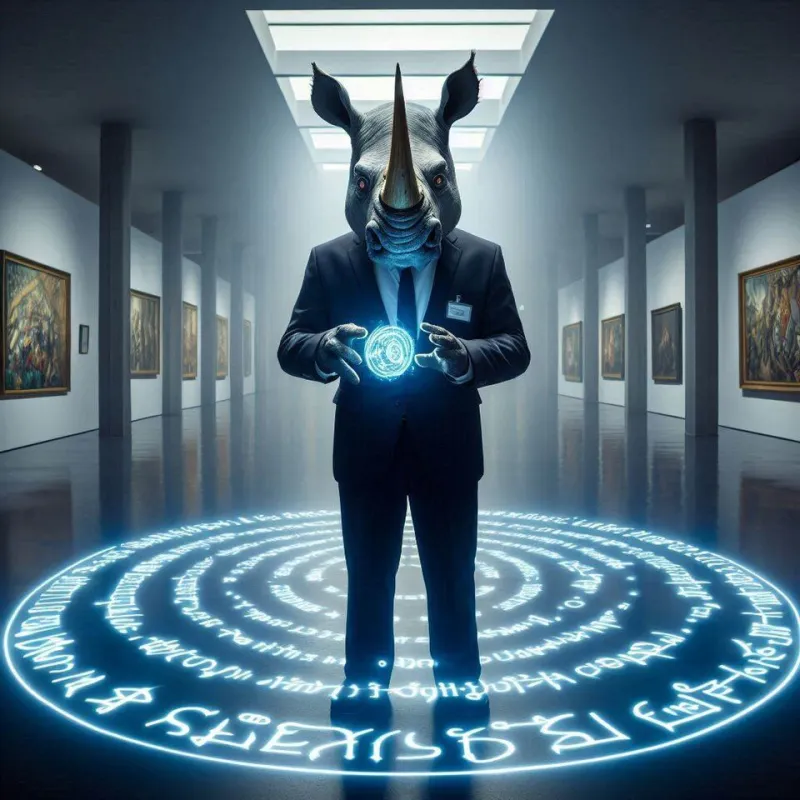
Photo: Bing Image Creator, Public domain, via Wikimedia Commons
In 2021, a low-budget Korean survival drama quietly landed on Netflix. It had no major Hollywood names, no prestige awards buzz, and zero traditional marketing push in the US market. Within weeks, Squid Game had become the most-watched show in Netflix history, a genuine cultural phenomenon that generated Halloween costumes, brand partnerships, and congressional conversations about wealth inequality.
The content was exceptional. But exceptional content lands in obscurity every single day. What Squid Game had — what separated it from hundreds of equally compelling shows that disappeared without a trace — was algorithmic lift. Netflix's recommendation engine decided, based on billions of data points, to put it in front of the right people at the right moment. The rest was history.
This is the world we live in now. Algorithms aren't just suggesting content. They're manufacturing cultural moments.
How the Machine Learns to Push
Every major platform — Netflix, YouTube, TikTok, Spotify — runs a recommendation system built on collaborative filtering, neural networks, and engagement metrics. The technical architectures differ, but the basic logic is consistent: find patterns in what similar users engage with, then serve those patterns to maximize time-on-platform.
The key word there is engagement, not quality, not satisfaction, not cultural value. Engagement. Which means the algorithm is optimizing for clicks, watch time, replays, shares, and comments — many of which correlate with quality, but many of which also correlate with outrage, shock value, and compulsive consumption.
Netflix has been unusually candid about the outsized role its recommendation system plays. The company has publicly stated that around 80% of content watched on the platform comes through algorithmic recommendation rather than active search. That's not a feature. That's a fundamental restructuring of how entertainment gets discovered.
On TikTok, the For You Page algorithm is even more aggressive. The platform's own documentation describes a system that weighs user interactions, video information, and device settings to serve content with almost zero friction. New creators with zero followers can go viral overnight — not because they earned an audience, but because the algorithm decided their content optimized for retention metrics and ran an experiment on your feed.
The Gatekeepers Nobody Elected
Traditional entertainment gatekeeping was at least visible. A studio executive greenlit a project. A radio program director added a song to rotation. A TV critic at a major publication gave a show a rave review. You could trace the decision, identify the human, understand the bias.
Algorithmic gatekeeping is invisible and largely unaccountable. Nobody decides that a particular indie artist gets surfaced on Spotify's Discover Weekly for 50 million users. A model does. And the model's decision criteria — its weights, its training data, its optimization targets — are proprietary. We get the output with none of the transparency.
The consequences are significant. Artists and creators have reported dramatic revenue swings based purely on algorithmic changes they didn't know were happening. A Spotify playlist removal or a YouTube demonetization can crater a career that looked thriving on paper. Meanwhile, content that the algorithm favors — regardless of critical consensus or industry recognition — gets supercharged distribution that no marketing budget could replicate.
For TV shows, this has created a new kind of hit. Not the slow-burn prestige drama that builds critical acclaim over a season, but the immediate-hook, high-completion-rate series that the algorithm identifies as likely to generate binge sessions. The show that wins the algorithm doesn't always win the Emmy. But it often wins the renewal.
Echo Chambers With Better Cinematography
There's a subtler consequence that gets less attention: algorithmic recommendation creates cultural segmentation at scale. The system is extraordinarily good at finding what you already like and giving you more of it. Which means two Americans of different demographics, regions, or political leanings might be living in entirely different pop culture universes — consuming different shows, different music, different YouTube rabbit holes — with minimal overlap.
This isn't the monoculture of broadcast TV, where 40 million people watched the same Seinfeld finale and had something to talk about at work the next day. It's a fragmented landscape where your coworker's algorithmic feed might look nothing like yours, and the cultural references that feel universal to you are completely foreign to someone else.
Some researchers argue this fragmentation is net positive — more diverse voices get surfaces, niche communities find their content, the tyranny of lowest-common-denominator programming weakens. Others point out that shared cultural touchstones have historically been social glue, and their erosion has real costs for community cohesion.
Both things are probably true simultaneously, which is what makes this genuinely complicated.
Gaming the Machine (And Why That's Also a Problem)
The entertainment industry has noticed. Studios now A/B test thumbnail images to optimize click-through rates before a show even premieres. Music labels study Spotify's algorithmic preferences when deciding which tracks to push as singles. TikTok promotion has become a standard line item in marketing budgets because a viral moment on the For You Page can move streaming numbers more than a traditional press tour.
Creators themselves have adapted, sometimes uncomfortably. The three-second hook at the start of every YouTube video. The artificially cliffhanger chapter endings in streaming shows designed to maximize auto-play to the next episode. The sonic templates that dominate pop music because they've been reverse-engineered from what Spotify's algorithm rewards.
When creators optimize for the machine, the machine gets what it wants — more engagement. But audiences sometimes get content that's been subtly deformed by the optimization process. The hook is great. The middle is filler. The ending is a cliffhanger that exists not because the story demanded it, but because completion rates drop at episode endings.
The Aggregated Reality
Sites that pull everything together — aggregators, content hubs, platforms that surface what's trending across multiple services — exist partly as a response to algorithmic opacity. When the algorithm is opaque, human curation becomes valuable again. When your For You Page is feeding you a personalized reality, a broader view of what's actually moving culture has real utility.
The recommendation algorithm isn't going anywhere. It's too efficient, too profitable, and too deeply embedded in how these platforms monetize attention. But understanding how it works — and what it's optimizing for — changes how you interact with it. You're not just a viewer. You're a data point in a massive experiment about what makes people keep scrolling.
Knowing that doesn't make the algorithm less powerful. But it might make you a slightly more intentional participant in the culture it's quietly building around you.