Scroll, Skip, Repeat: The Hidden Cost of Having Every Show Ever Made at Your Fingertips

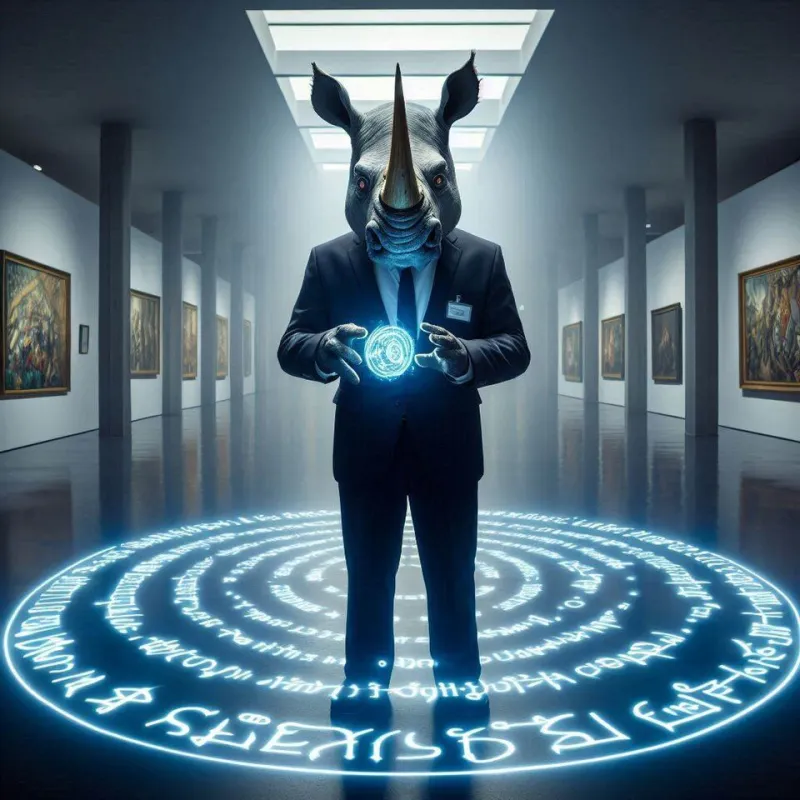
Photo: Erik Pevernagie, CC BY-SA 3.0, via Wikimedia Commons
Picture this: It's 9 PM on a Saturday. You've got a bowl of popcorn, a blanket, and zero obligations until Monday morning. Perfect setup, right? Except forty-five minutes later, you're still scrolling through your streaming queue, watching trailers you'll immediately forget, and somehow feeling worse than when you sat down. You haven't watched a single thing. You've just... browsed.
Welcome to the paradox that nobody warned us about when we signed up for the golden age of content.
Too Much of a Good Thing Is Actually a Thing
Back in 2000, psychologists Sheena Iyengar and Mark Lepper ran a now-famous grocery store jam experiment. Shoppers exposed to 24 jam varieties were far less likely to actually buy anything compared to shoppers who saw just six options. More choices, fewer decisions made, less satisfaction overall. They called it the paradox of choice, and it turns out it applies to prestige TV just as much as it applies to fruit spreads.
The average American household now subscribes to roughly four streaming platforms. That's not counting free tiers, YouTube, or whatever your cousin's HBO password still gets you. The sheer volume of content available at any given moment is genuinely incomprehensible — Netflix alone has spent over $17 billion annually on original programming. Hulu, Disney+, Apple TV+, Paramount+, and the rest of the alphabet soup are all racing to pile more onto the heap.
The result? A generation of viewers who are technically watching more than ever but enjoying it measurably less.
Your Brain on Infinite Options
Here's what's actually happening neurologically when you open up your streaming app of choice. Decision-making is cognitively expensive. Every time your brain evaluates an option — genre, runtime, mood match, whether you're in the right headspace for subtitles — it burns mental energy. Do that dozens of times in a single evening, and you hit a wall psychologists call decision fatigue.
Once you're fatigued, one of two things happens. Either you make an impulsive choice you're not fully committed to (and spend the whole movie half-checking your phone), or you bail entirely and default to a comfort rewatch of The Office for the fourteenth time. Neither outcome represents the rich entertainment experience these platforms are selling you.
There's also something called the opportunity cost effect. When you finally pick a show, you're subconsciously aware of everything else you didn't pick. That awareness creates a low-grade dissatisfaction that shadows the viewing experience. You chose this, but was it really the best choice? Should you have gone with that documentary everyone's been talking about? The question lingers.
The Aggregation Trap
Platforms like 34DYNG exist precisely because the content landscape has become so fragmented and overwhelming that people need a single place to make sense of it all. Aggregation is a genuine service — pulling everything together so you don't have to hunt across twelve different apps. But aggregation also means that the full scope of available content is suddenly visible to you at once, which can paradoxically make the problem worse before it makes it better.
The scroll becomes infinite. The options multiply. And without a real system for navigating all of it, you're right back to that Saturday night paralysis.
What Intentional Watching Actually Looks Like
The fix isn't canceling your subscriptions and going back to appointment television (though honestly, some people have done exactly that and report being much happier). The fix is building a few guardrails around how you interact with content.
Give yourself a two-minute rule. If you can't commit to something within two minutes of browsing, close the app and go do literally anything else. Come back when you have a specific title in mind. Browsing without intent is the enemy.
Treat your queue like a reading list. When you hear about something interesting — from a friend, a newsletter, a random recommendation — add it immediately and don't second-guess it. Then when you sit down to watch, you pick from that curated list rather than the platform's full catalog. You've already done the work; now just execute.
Embrace the pre-commitment. Tell someone what you're going to watch before you sit down. Text a friend, post it somewhere, say it out loud to your dog. Doesn't matter. Externalizing the decision removes the in-the-moment re-evaluation loop.
Schedule genre nights. Monday is documentary night. Thursday is whatever your partner picks. Saturday is the big prestige drama episode. Structure removes the paradox because the category of choice is already narrowed before you even open an app.
Reclaiming the Actual Point of This Whole Thing
Entertainment is supposed to be restorative. It's supposed to be fun. The whole value proposition of streaming was convenience and access — watch what you want, when you want it, without the friction of cable bundles and broadcast schedules. That's a genuinely great thing. But somewhere in the race to add more content, more platforms, and more options, the friction of choosing replaced the friction of waiting.
The answer isn't nostalgia for a simpler era. It's building smarter habits inside the system we've got. Because the content is actually out there — genuinely great stuff across every genre, every mood, every platform. The problem was never the supply. It was always the navigation.
So next Saturday, make the decision before you sit down. Show up to the couch with a title already in hand. Trust your earlier self's judgment. And for the love of everything, stop scrolling.