Hollywood's New Writers' Room Has No Writers In It
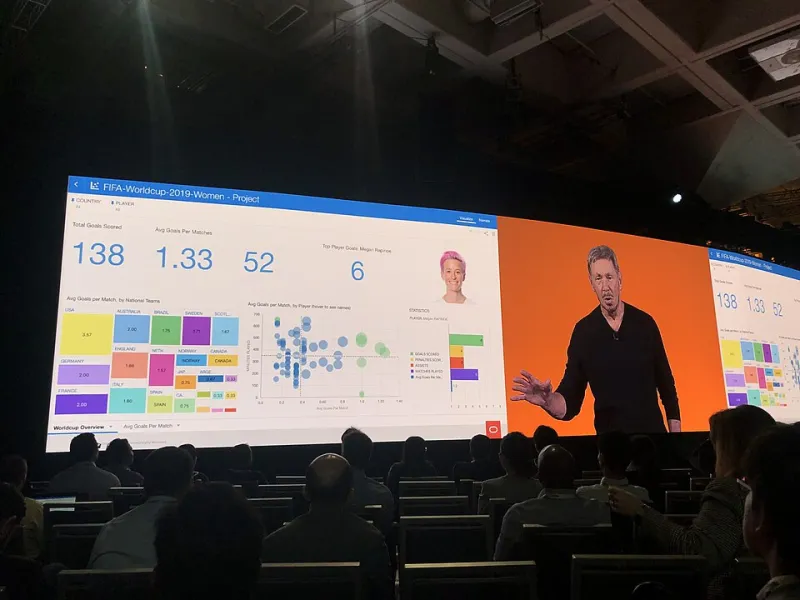
Photo: GeneralAB13, CC BY-SA 4.0, via Wikimedia Commons
The Pitch Meeting Has Changed
Picture a writers' room in 2015. A handful of creative people around a table, arguing about character motivations, debating whether the ending lands, fighting for the weird left-turn that makes a story memorable. Now picture the same room today — same table, but now there's a data analyst presenting engagement curves, a market research summary from three rounds of concept testing, and a demographic breakdown of which character archetypes perform best with the 18-34 female quadrant in the Southeast.
This is not a hypothetical. It's how a growing number of projects get developed at major studios and streaming platforms. And depending on who you ask, it's either a rational response to a brutally competitive market or the slow creative death of American storytelling.
Probably some of both.
The Data Is Real, and It's Everywhere
Streaming platforms have access to viewer data that broadcast networks could only dream about. Netflix knows not just whether you finished a show, but exactly where you paused, which scenes you rewound, how many days elapsed between episodes, and whether you bailed out during the cold open or made it to episode three before ghosting. That information is gold — and it absolutely shapes what gets greenlit.
The platform has been fairly open about using viewing patterns to inform content decisions. Their bet on House of Cards back in 2013 — widely cited as an early example of data-driven commissioning — was partly based on the overlap between users who'd watched the British original, David Fincher films, and Kevin Spacey projects. It worked spectacularly, and the industry took notes.
Since then, the practice has expanded well beyond Netflix. Disney uses test screenings and audience research at a scale that would make old-school Hollywood executives dizzy. Amazon's content team has been known to A/B test title cards and thumbnail images to optimize click-through before a frame of the show has been evaluated on its merits. Even prestige cable outlets have integrated analytics into the development process in ways that would've seemed crass a decade ago.
Focus Groups Never Went Away — They Got Upgraded
Focus groups have been a part of Hollywood since at least the 1980s, when studios started testing endings and cutting scenes based on audience reaction cards. The infamous tinkering with Blade Runner and the disastrous original ending of Fatal Attraction are old-school examples of what happens when test audiences get too much influence over a director's vision.
What's different now is scale and sophistication. Traditional focus groups are still used — especially for big tentpole films — but they've been supplemented by online panel testing, social media sentiment analysis, and predictive modeling tools that can theoretically forecast a project's performance before it goes into production.
Some studios have invested in proprietary scoring systems that evaluate scripts based on factors like genre, tone, comparable titles, and demographic appeal. The pitch isn't just here's a great story anymore. It's here's a great story, and our model gives it a 78 in the target quadrant.
What Gets Lost When Safety Becomes the Goal
Here's where the creative community pushes back, and they're not entirely wrong.
Algorithms are, by definition, backward-looking. They identify patterns in what has already worked and extrapolate forward. That's useful for managing risk, but it's structurally incapable of predicting what's genuinely new. The Sopranos didn't test well with early focus groups — audiences weren't sure how to feel about a protagonist they were supposed to root for who was also genuinely terrible. Breaking Bad had a famously rough early reception in test screenings. Arrested Development got canceled twice.
The shows that end up defining a cultural moment are often the ones that do something audiences didn't know they wanted until they saw it. Data can't surface that. Data can only tell you what people have already said they like, which tends to produce more of the same.
The result, critics argue, is a content landscape that's technically competent and emotionally inert — shows that hit every expected beat, avoid alienating any major demographic segment, and resolve cleanly without leaving anything genuinely challenging on the table. Comfort food masquerading as storytelling.
The Counter-Argument Deserves Some Air
To be fair, the studios have a point when they push back on the pure-creativity argument.
Content production is extraordinarily expensive. A single season of a prestige drama can run $100 million or more. In that context, using every available tool to reduce the risk of catastrophic failure isn't cynicism — it's fiduciary responsibility. And there's a reasonable case that data analysis, used well, actually serves audiences by helping creators understand what's resonating and what's landing flat.
There's also a diversity argument hiding in here somewhere. Demographic data, properly interpreted, can make the case for stories from communities that were historically underserved by Hollywood's gut-instinct development culture — a culture that was itself shaped by a pretty narrow slice of the population. Analytics that show strong engagement from audiences who don't typically see themselves represented on screen can be a forcing function for inclusion.
The tool isn't the problem. The problem is when the tool becomes the ceiling.
So Who's Actually Writing Your Next Favorite Show?
Probably still writers, honestly. The reports of human creativity's death in Hollywood are at least somewhat exaggerated.
But those writers are increasingly working inside a framework that was shaped before they got to the room — a framework built from viewer data, concept test results, and platform performance metrics. The story might be theirs. The parameters it lives inside? Those belong to the algorithm.
Whether that produces better TV or just safer TV is a question the ratings will eventually answer. In the meantime, the next time you're watching something and thinking this feels weirdly focus-grouped, you might be onto something.